
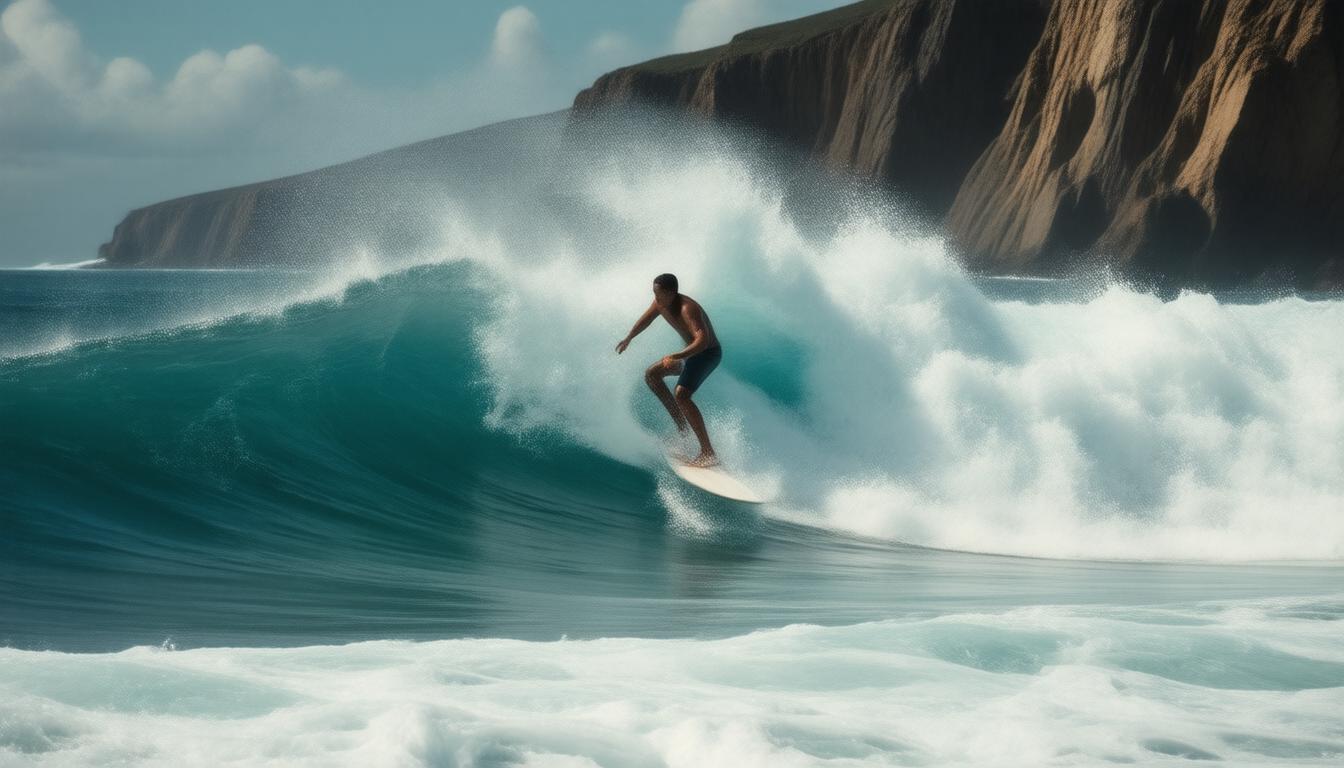
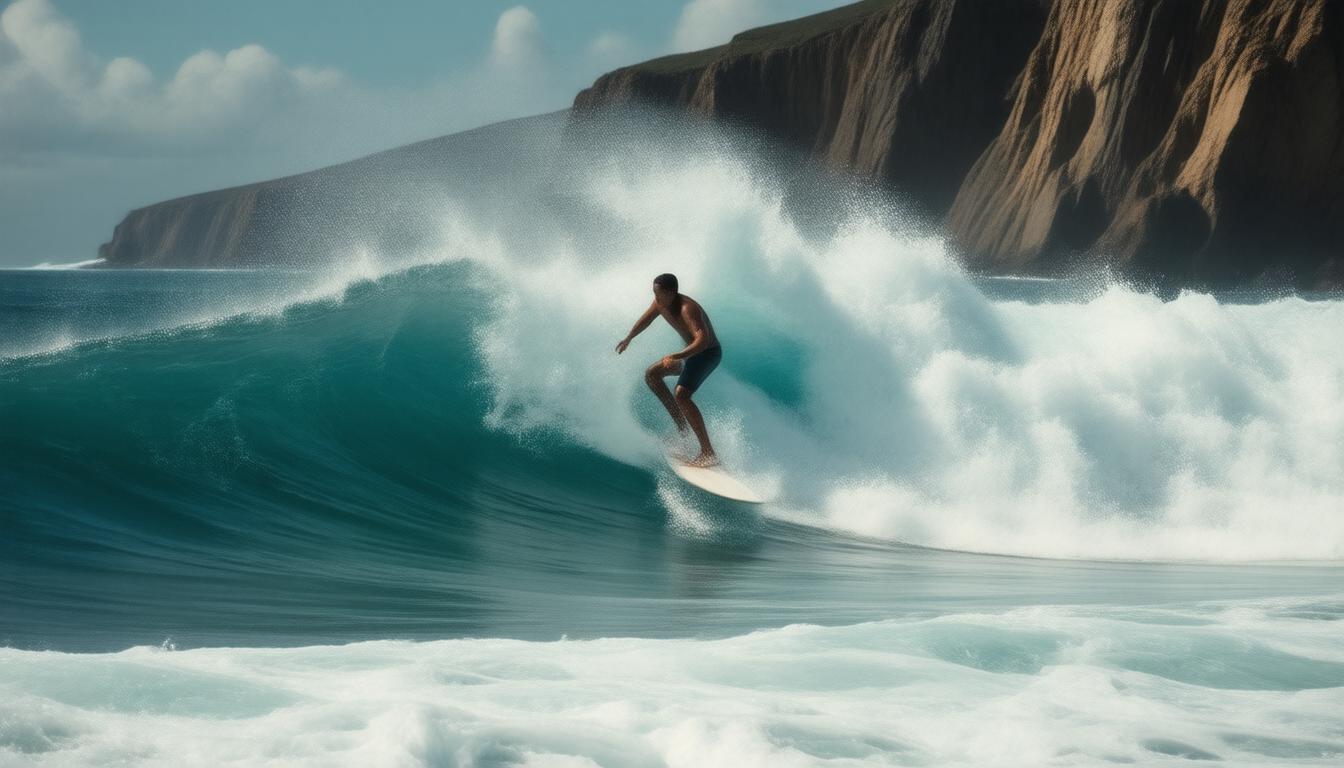
Big wave surfing is an exhilarating and challenging pursuit that attracts thrill-seekers and seasoned surfers alike. With waves towering over 20 feet, riders must possess a unique blend of skill, courage, and respect for the ocean to conquer these colossal swells. In this complete guide, we delve into the essentials of big wave surfing, from fundamental techniques and crucial safety practices to the world’s most renowned surfing destinations. Whether you’re an aspiring big wave rider or an experienced surfer seeking to enhance your knowledge, this article will equip you with the insights needed to tackle the formidable forces of nature confidently. Join us as we explore the art and science behind big wave surfing and the dedication required to excel in this exhilarating sport.
Key Takeaways
- Big wave surfing requires a unique set of techniques that differ greatly from traditional surfing.
- Safety practices are crucial for big wave surfers to minimize risks associated with the powerful surf conditions.
- Some of the best destinations for big wave surfing include places like Nazare, Hawaii, and Mavericks.
- Choosing the right gear and equipment can significantly affect performance and safety in big wave conditions.
- Training and conditioning are essential components to prepare physically and mentally for the challenges of big wave surfing.
Introduction to Big Wave Surfing
Big wave surfing is a thrilling and adventurous water sport that attracts surfers from around the world, pushing the limits of human ability and nature’s power. In essence, big wave surfing involves riding waves that are typically over 20 feet high, which can create a daunting yet exhilarating experience for those brave enough to take on the challenge. Originating in Hawaii, where the famous waves at spots like Peahi and Waimea Bay birthed legends of the sport, big wave surfing has since gained global recognition. Surfing these colossal waves requires not only exceptional skill and courage but also a deep understanding of ocean dynamics, weather patterns, and safety protocols. As many surfers aspire to conquer the giants of the sea, the practice continues to evolve, with advanced technology and training methods paving the way for the next generation of big wave riders.
Essential Techniques for Tackling Big Waves
Big wave surfing is an exhilarating sport that attracts adrenaline junkies from around the world. However, conquering these monstrous waves requires not just courage, but also a tactical approach and a set of essential techniques. To safely and effectively tackle big waves, surfers should first master the art of paddling. Strong paddling skills enable surfers to maneuver through turbulent waters and position themselves optimally for the perfect wave. Additionally, understanding wave dynamics is crucial; surfers must learn to read the ocean to identify incoming swells and know where to position themselves for take-off. Timing is everything in big wave surfing; surfers need to be able to gauge the right moment to commit to hurling down the face of the wave. Moreover, developing a solid wipeout strategy is vital for safety, as it prepares surfers to gracefully handle falls into the water. Finally, training both physically and mentally, through conditioning and practices like yoga, can enhance a surfer’s strength, balance, and focus on the waves. By integrating these essential techniques into their routine, aspiring big wave surfers can greatly improve their skills and enjoy the thrilling experience of riding some of the most powerful waves in the ocean.
‘The ocean stirs the heart, inspires the imagination and brings eternal joy to the soul.’ – Wyland
Key Safety Practices for Big Wave Surfers
Big wave surfing presents exhilarating challenges and unparalleled thrills, but it also demands a deep understanding of safety practices to navigate the enormous swells effectively. First and foremost, surfers should always assess surf conditions and forecasts, utilizing reliable sources to determine wave heights and tide patterns before paddling out. Additionally, being equipped with the right safety gear—like leashes, floatation devices, and personal flotation jackets—can significantly improve a surfer’s safety and performance in these daunting waters. When surfing big waves, it’s crucial to practice proper etiquette to avoid collisions, knowing when to drop in and respecting the lineup also contributes to a safer environment. Finally, surfers should always surf with a buddy or within sight of a lifeguard, ensuring prompt assistance is available should an emergency arise. By prioritizing these key safety practices, big wave surfing enthusiasts can enjoy the thrill of the ocean while minimizing risks associated with this extreme sport.

Top Destinations for Big Wave Surfing
For adrenaline junkies and surf enthusiasts alike, big wave surfing offers an exhilarating challenge that few sports can match. Each year, surfers flock to renowned destinations across the globe, seeking the perfect wave that can propel them to new heights—often both literally and figuratively. Among the top destinations for big wave surfing, Hawaii’s notorious big wave breaks such as Waimea Bay and the legendary Pipeline stand out. These spots not only boast optimal wave conditions but also carry rich surfing traditions. Moving to the West Coast, California’s Mavericks in Half Moon Bay has garnered a fierce reputation for its colossal swells that attract the best surfers from around the world. Across the Pacific, surf mecca Teahupo’o in Tahiti is famed for its heavy, breaking waves, drawing those in search of extreme thrills. Lastly, Portugal’s Praia do Norte has emerged as a big wave surfing hotspot, where surfers can tackle some of the largest waves in Europe. Whether you’re a seasoned pro or an aspiring surfer looking to conquer the ocean’s giants, these destinations are essential stops on your big wave surfing journey.
Gear and Equipment for Big Wave Surfing
When it comes to big wave surfing, having the right gear and equipment is crucial for both safety and performance. Thrilling yet treacherous, riding massive waves demands specialized boards that are designed to handle powerful surf conditions. Big wave surfboards, often longer and wider than traditional surfboards, typically feature a more buoyant design for enhanced paddling power and stability. In addition to the board, wearing a high-quality wetsuit is essential, as it provides both thermal protection in frigid waters and buoyancy. A thick wetsuit, combined with booties and gloves, helps surfers stay warm while battling the elements. Moreover, safety gear, including leashes and impact vests, has become increasingly popular in the big wave surfing community to protect against wipeouts and underwater hazards. With the right equipment, surfers can embrace the exhilarating challenge of big wave surfing while minimizing risks, allowing them to focus on riding the ocean’s colossal swells.
