
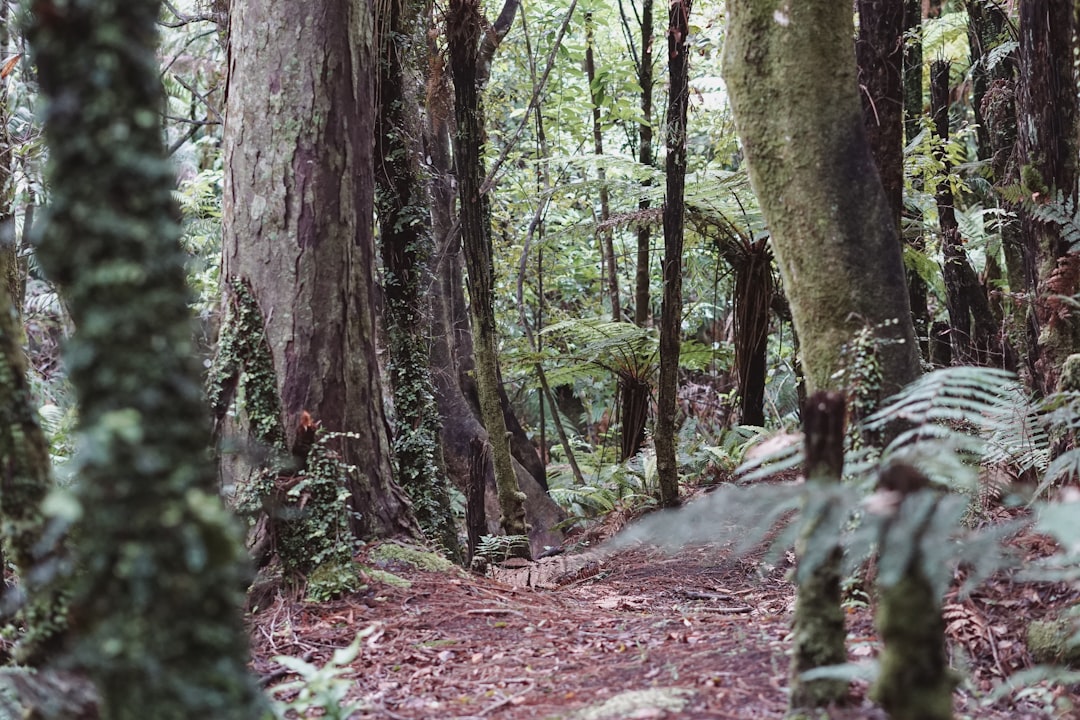
Alas Purwo National Park is a hidden gem located in the eastern part of Java, Indonesia. It is situated in the Banyuwangi Regency and covers an area of approximately 43,420 hectares. The park is known for its rich biodiversity, stunning landscapes, and cultural significance. Alas Purwo National Park has a long history, dating back to ancient times when it was believed to be a sacred place by the Javanese people.
The park holds great importance for both conservation and tourism. It is home to a wide variety of plant and animal species, including several endangered ones. The park’s unique ecosystems provide a sanctuary for these species and contribute to their conservation efforts. Additionally, Alas Purwo National Park attracts tourists from all over the world who come to explore its natural beauty, engage in outdoor activities, and learn about the local culture.
Key Takeaways
- Alas Purwo National Park is a hidden gem in Indonesia, offering a spectacular display of nature and a window into Javanese history and mythology.
- The park is a haven for endangered species, making it a must-visit destination for wildlife enthusiasts and conservationists.
- Trekking through the untouched wilderness of Alas Purwo National Park is a journey that promises to be both challenging and rewarding.
- Surfing enthusiasts will find some of the best surf spots in Indonesia at Alas Purwo National Park, making it a popular destination for surfers from around the world.
- Birdwatching is a must-do activity for ornithologists visiting Alas Purwo National Park, which is home to a diverse range of bird species.
The Biodiversity of Alas Purwo National Park: A Haven for Endangered Species
Alas Purwo National Park boasts an impressive biodiversity that makes it a haven for endangered species. The park is home to various ecosystems, including rainforests, mangroves, savannas, and coastal areas. These diverse habitats support a wide range of plant and animal life.
Some of the endangered species found in Alas Purwo National Park include the Javan leopard, Javan banteng (a type of wild cattle), Javan hawk-eagle, green turtle, and leatherback turtle. These species are under threat due to habitat loss, poaching, and other human activities. To protect these endangered species, the park authorities have implemented conservation efforts such as habitat restoration, anti-poaching patrols, and community engagement programs.
The Flora and Fauna of Alas Purwo National Park: A Spectacular Display of Nature
Alas Purwo National Park is known for its spectacular display of flora and fauna. The park is home to a wide variety of plant species, including rare and endemic ones. Some of the unique plant species found in the park include the Alas Purwo orchid, Javanese fig tree, and Javanese ebony.
In terms of fauna, the park is teeming with diverse animal species. Visitors may encounter animals such as deer, wild boar, macaques, and various bird species. The park is also home to several reptiles and amphibians, including the Javan spitting cobra and Javan gliding lizard.
Preserving the park’s flora and fauna is of utmost importance. These ecosystems provide essential services such as carbon sequestration, water regulation, and soil conservation. Additionally, the park’s biodiversity contributes to its appeal as a tourist destination, attracting nature enthusiasts from around the world.
Trekking in Alas Purwo National Park: A Journey Through Untouched Wilderness
| Difficulty Level | Duration | Distance | Altitude | Best Time to Visit |
|---|---|---|---|---|
| Challenging | 3-4 days | 30-40 km | 100-1,200 m | May-September |
| Highlights | Untouched wilderness, diverse flora and fauna, stunning beaches, traditional villages | |||
| Accommodation | Camping, homestays in nearby villages | |||
| Permits | Required from the Alas Purwo National Park office | |||
| Recommended Gear | Sturdy hiking boots, backpack, tent, sleeping bag, insect repellent, sunscreen, hat, rain jacket, first aid kit | |||
Trekking in Alas Purwo National Park offers visitors a chance to explore untouched wilderness and experience the park’s natural beauty up close. There are several trekking options available, ranging from easy walks to more challenging hikes.
One popular trekking route is the Meru Betiri Trail, which takes visitors through dense rainforests and leads to the stunning Meru Betiri Beach. Along the way, trekkers may encounter various wildlife species and enjoy breathtaking views of the surrounding landscapes.
Another popular trekking option is the Sadengan Savannah Trail, which offers a unique experience of walking through vast savannahs. This trail provides an opportunity to spot wildlife such as deer, wild boar, and various bird species.
When embarking on a trekking adventure in Alas Purwo National Park, it is important to come prepared. Visitors should wear appropriate clothing and footwear, carry enough water and snacks, and be aware of their physical limitations. It is also advisable to hire a local guide who can provide valuable insights and ensure a safe and enjoyable trekking experience.
Surfing in Alas Purwo National Park: A Guide to the Best Surf Spots
Alas Purwo National Park is a paradise for surfers, offering some of the best surf spots in Indonesia. The park’s coastline is known for its consistent waves and uncrowded breaks, making it a favorite destination for surfers seeking an authentic and adventurous experience.
One of the best surf spots in Alas Purwo National Park is Plengkung Beach, also known as G-Land. This world-renowned surf break offers long, barreling waves that can reach up to 6 meters high. It is considered one of the best left-hand reef breaks in the world and attracts experienced surfers from all over the globe.
Another popular surf spot in the park is Watu Ulo Beach, which offers a variety of waves suitable for different skill levels. The beach is known for its consistent swells and beautiful scenery, making it a favorite among both beginners and advanced surfers.
When planning a surfing trip to Alas Purwo National Park, it is important to consider the best time to visit. The park experiences two main surfing seasons: the dry season from April to October and the wet season from November to March. During the dry season, the waves are generally bigger and more consistent, providing ideal conditions for surfing.
Birdwatching in Alas Purwo National Park: A Must-Do Activity for Ornithologists
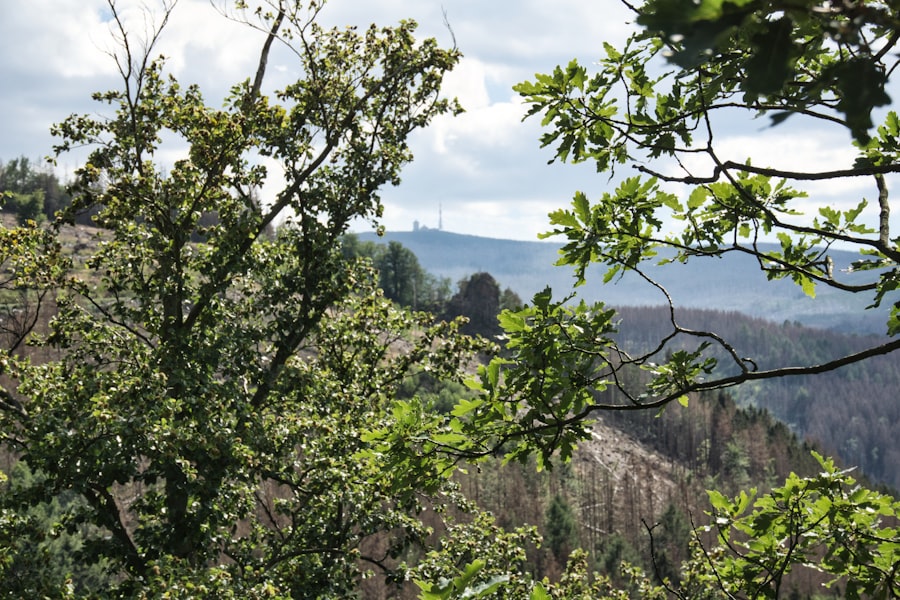
Alas Purwo National Park is a paradise for birdwatchers, offering a wide variety of bird species to observe and admire. The park’s diverse ecosystems provide habitats for both resident and migratory birds, making it an ideal destination for ornithologists.
Some of the bird species found in Alas Purwo National Park include the Javan kingfisher, Javan plover, Javan hawk-eagle, and Javan banded pitta. These birds are not only beautiful to look at but also play important roles in maintaining the park’s ecological balance.
To have a successful birdwatching experience in Alas Purwo National Park, it is advisable to bring binoculars, a field guide, and a camera. Visitors should also be patient and observant, as birds can be elusive and may require some time to spot.
Cultural Significance of Alas Purwo National Park: A Window into Javanese History and Mythology
Alas Purwo National Park holds great cultural significance, providing a window into Javanese history and mythology. The park is believed to be a sacred place by the Javanese people, with many myths and legends associated with its landscapes and landmarks.
One of the park’s cultural highlights is the Sadengan Savannah, which is considered a sacred place by the local community. According to local beliefs, the savannah is inhabited by spirits that protect the park’s biodiversity and ensure its well-being.
Another cultural site in Alas Purwo National Park is the Pancur Beach, which is believed to have healing powers. Visitors often come to this beach to bathe in its freshwater springs and seek spiritual rejuvenation.
Preserving the park’s cultural heritage is of utmost importance. These cultural sites provide valuable insights into Javanese history, mythology, and spirituality. They also contribute to the park’s appeal as a tourist destination, attracting visitors who are interested in learning about the local culture.
Accommodation Options in Alas Purwo National Park: A Comprehensive Guide for Travelers
Alas Purwo National Park offers a range of accommodation options to suit different budgets and preferences. Visitors can choose from hotels, guesthouses, homestays, and camping sites located both inside and outside the park.
Inside the park, there are several basic guesthouses and camping sites available for those who wish to immerse themselves in nature. These accommodations provide a unique experience of staying in the heart of the park and waking up to the sounds of wildlife.
For those who prefer more comfort and amenities, there are also hotels and guesthouses located just outside the park. These accommodations offer a range of facilities such as air conditioning, hot water, and Wi-Fi.
When choosing accommodation in Alas Purwo National Park, it is important to consider factors such as location, facilities, and budget. It is also advisable to book in advance, especially during peak tourist seasons, to ensure availability.
Planning Your Trip to Alas Purwo National Park: Tips and Tricks for a Successful Visit
Planning a trip to Alas Purwo National Park requires careful consideration of various factors to ensure a successful and enjoyable visit. Here are some tips and tricks to help you plan your trip:
1. Best time to visit: The best time to visit Alas Purwo National Park is during the dry season from April to October when the weather is generally sunny and rainfall is minimal. This period offers ideal conditions for outdoor activities such as trekking, surfing, and birdwatching.
2. Weather considerations: While the dry season is generally the best time to visit, it is important to be prepared for sudden changes in weather. The park’s coastal areas can be windy, and rain showers can occur even during the dry season. It is advisable to bring appropriate clothing and equipment to protect yourself from the elements.
3. Transportation: Alas Purwo National Park is easily accessible by road from Banyuwangi city. Visitors can hire a car or motorcycle, or take a public bus or taxi to reach the park’s entrance. Once inside the park, it is possible to explore on foot or hire a local guide with a vehicle for transportation.
4. Permits and fees: Visitors to Alas Purwo National Park are required to obtain a permit and pay an entrance fee. These permits can be obtained at the park’s entrance gate or online in advance. It is important to carry the permit with you at all times during your visit.
5. Respect for nature and culture: When visiting Alas Purwo National Park, it is important to respect the park’s natural and cultural heritage. Visitors should follow park rules and regulations, avoid littering, and be mindful of their impact on the environment. It is also important to respect local customs and traditions, especially when visiting cultural sites.
Conservation Efforts in Alas Purwo National Park: A Look into Sustainable Tourism Practices
Alas Purwo National Park is committed to conservation efforts and sustainable tourism practices. The park authorities work closely with local communities, NGOs, and other stakeholders to protect the park’s biodiversity and promote responsible tourism.
Some of the conservation efforts in Alas Purwo National Park include habitat restoration, anti-poaching patrols, and community engagement programs. These initiatives aim to protect endangered species, restore degraded ecosystems, and raise awareness about the importance of conservation.
In terms of sustainable tourism practices, the park authorities promote low-impact tourism activities such as trekking, birdwatching, and surfing. They also encourage visitors to respect the park’s natural and cultural heritage, follow park rules and regulations, and support local businesses.
Responsible tourism is crucial for the future of Alas Purwo National Park. By practicing sustainable tourism, visitors can contribute to the park’s conservation efforts and help ensure its long-term viability as a natural and cultural treasure.
In conclusion, Alas Purwo National Park is a hidden gem in Indonesia that offers a unique blend of natural beauty, cultural significance, and biodiversity. The park’s stunning landscapes, diverse ecosystems, and endangered species make it a must-visit destination for nature enthusiasts and adventure seekers. Whether you are interested in trekking, surfing, birdwatching, or simply immersing yourself in the park’s natural and cultural heritage, Alas Purwo National Park has something to offer for everyone. By practicing responsible tourism and supporting conservation efforts, visitors can help preserve this hidden gem for future generations to enjoy.
If you’re planning a visit to Alas Purwo National Park, don’t miss out on the incredible jungle cultural trek offered by Jawajiwa. This immersive experience takes you deep into the heart of the park, allowing you to explore its diverse flora and fauna while also learning about the rich cultural heritage of the local communities. In their blog, Jawajiwa shares fascinating insights and stories about the park, providing valuable information for anyone interested in this unique destination. For more details on this exciting adventure, check out their article on jungle cultural trekking at https://jawajiwa.com/activity/jungle-cultural-trek/.
FAQs
What is Alas Purwo National Park?
Alas Purwo National Park is a protected area located in East Java, Indonesia. It covers an area of 43,420 hectares and is home to a diverse range of flora and fauna.
What is the significance of Alas Purwo National Park?
Alas Purwo National Park is significant for its cultural and historical importance, as well as its biodiversity. It is believed to be one of the oldest forests in Java and is considered a sacred site by the local people.
What kind of wildlife can be found in Alas Purwo National Park?
Alas Purwo National Park is home to a variety of wildlife, including Javanese bull, banteng, leopard, deer, wild boar, and various species of birds and reptiles.
What are the activities that can be done in Alas Purwo National Park?
Visitors to Alas Purwo National Park can enjoy a range of activities, including hiking, camping, bird watching, and wildlife spotting. There are also cultural and historical sites to explore, such as the Giri Salaka Temple and the Sadengan Savannah.
What is the best time to visit Alas Purwo National Park?
The best time to visit Alas Purwo National Park is during the dry season, which runs from May to September. During this time, the weather is generally sunny and dry, making it easier to explore the park and spot wildlife.
Is there an entrance fee to Alas Purwo National Park?
Yes, there is an entrance fee to Alas Purwo National Park. The fee varies depending on whether you are a local or foreign visitor, and whether you are visiting on a weekday or weekend.
