
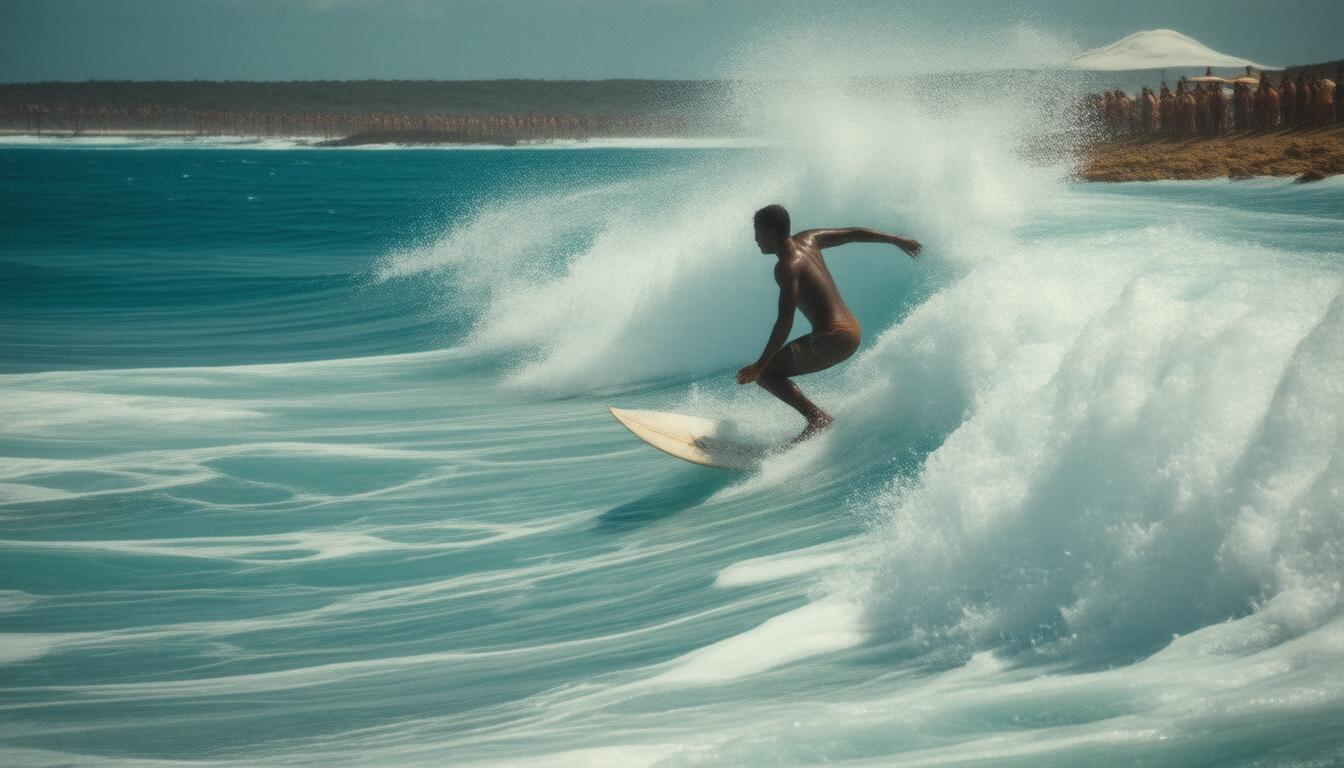
Surfing has long captivated the hearts and minds of those who bask in the sun and ride the waves, but it has evolved into much more than just a leisurely sport. The rise of surfing championships has transformed this beloved pastime into a global spectacle that showcases talent, skill, and sheer determination. In this article, we will delve into the fascinating world of surfing championships, exploring their evolution, key players, and the cultural impact they have left on the surfing community. Additionally, we will uncover the training routines of championship contenders, highlight notable events around the world, and discuss emerging trends that are shaping the future of competitive surfing. Whether you’re a seasoned wave rider or a curious newcomer, get ready to ride the waves of knowledge about surfing championships!

Key Takeaways
- Surfing championships have evolved significantly over the decades, reflecting both sport and culture.
- Key surfers, often referred to as ‘wave warriors’, play a crucial role in shaping the competitive landscape.
- Surf culture profoundly influences the style and substance of competitive surfing events.
- Notable surfing championships around the globe serve as platforms for emerging talent and international competition.
- The future of surfing championships includes new trends such as inclusivity and sustainability, attracting a wider audience.
The Evolution of Surfing Championships
The evolution of surfing championships has transformed the sport from a laid-back beach pastime into a competitive arena that attracts elite athletes and millions of viewers worldwide. Surfing championships began in the mid-20th century, with informal contests held at beaches in Hawaii, California, and Australia, showcasing the raw talent of local surfers. As the popularity of surfing grew throughout the 1960s and 70s, so did the need for organized events that could highlight the skills and techniques of the surfers. This led to the establishment of iconic competitions like the Billabong Pipe Masters and the ASP World Tour, which not only celebrated the artistry of surfing but also began to incorporate stringent scoring systems and global rankings. Today, surfing championships are broadcast across various media platforms, featuring top-tier athletes competing in stunning waves around the world, with the introduction of new technology enhancing the viewing experience. As surfing continues to evolve, the championships serve as a testament to the sport’s rich heritage and its exciting future.
Key Players in the Surfing Championship Scene
The world of surfing championships is not just about the waves; it’s also about the athletes who dare to ride them and the organizations that facilitate these iconic events. Key players in this exciting arena include renowned surfers such as Kelly Slater, who has transcended the sport with his multiple world titles and innovative style. Another prominent figure is Stephanie Gilmore, a pioneer in women’s surfing championships, whose consistent performances have inspired many young athletes. The World Surf League (WSL) stands out as the leading organization promoting professional surfing globally, coordinating major events and enhancing the visibility of the sport. Additionally, local surf clubs and sponsors play critical roles in supporting talents and grassroots competitions, ensuring a steady pipeline of emerging surfers. Together, these key players contribute to the vibrant tapestry of surfing championships, elevating the sport and its athletes to new heights.
‘The best surfers in the world aren’t just born with talent; they put in the hours, the sweat, and the tears to become champions.’ – Unknown
The Impact of Surf Culture on Competitive Surfing
Surfing championships have increasingly become a focal point where surf culture meets competitive excellence, shaping the landscape of the sport. The intertwining of these elements has not only elevated the standards of performance but has also fostered a vibrant community that celebrates individuality and creativity. From the early days of beach gatherings to today’s grand events like the World Surf League, the influence of surf culture is palpable. Participants often embody the spirit of freedom and lifestyle that surfing upholds, bringing a unique flair to competitions. Additionally, the rise of social media has amplified this impact, enabling surfers to showcase their personalities and styles, which in turn attracts a more diverse audience and encourages greater participation in surfing championships around the globe. Understanding this connection is crucial for both fans and aspiring surfers who want to grasp how cultural elements shape competitive environments and influence the future of the sport.

Notable Surfing Championship Events Worldwide
Surfing championships around the globe draw in elite athletes and passionate fans alike, showcasing the thrill and skill of this beloved water sport. Among the most notable events is the World Surf League (WSL) Championship Tour, which holds prestigious competitions in iconic locations such as Pipeline in Hawaii and Teahupoʻo in Tahiti. These surfing championships not only highlight the incredible talents of surfers but also promote the culture and community that surrounds the sport. Other significant competitions include the Quiksilver Pro Gold Coast and the Vans Triple Crown of Surfing, which attract surfers from various countries, creating a vibrant atmosphere of camaraderie and competition. Whether you’re a seasoned surf veteran or a newcomer to the sport, these championships serve as a captivating showcase of athleticism, ocean mastery, and the enduring allure of wave riding.
Training Routines of Championship Contenders
Training routines of championship contenders in surfing championships are as diverse and dynamic as the waves they ride. These elite athletes understand that optimal performance requires more than just skill on the board; it demands a rigorous regime that hones their physical and mental capabilities. Most contenders start their day with early morning surf sessions, where they practice their maneuvers and get a feel for the ocean conditions. Following this, they often complement their surf practice with strength and conditioning workouts, focusing on core stability, balance, and flexibility—essential attributes for navigating challenging waves. Additionally, many surfers incorporate activities such as yoga or Pilates to enhance their mental focus and breathing techniques, which are crucial during high-pressure competitions. Competitors also pay close attention to nutrition, fueling their bodies with nutrient-dense foods to maintain energy levels. As the surfing championships approach, training evolves to include more strategy sessions, where contenders analyze past performances and refine their competitive tactics. This holistic approach not only prepares them physically but also equips them to tackle the unpredictability of competition day, ensuring they are ready to perform at their best when it matters most in the surf.
