
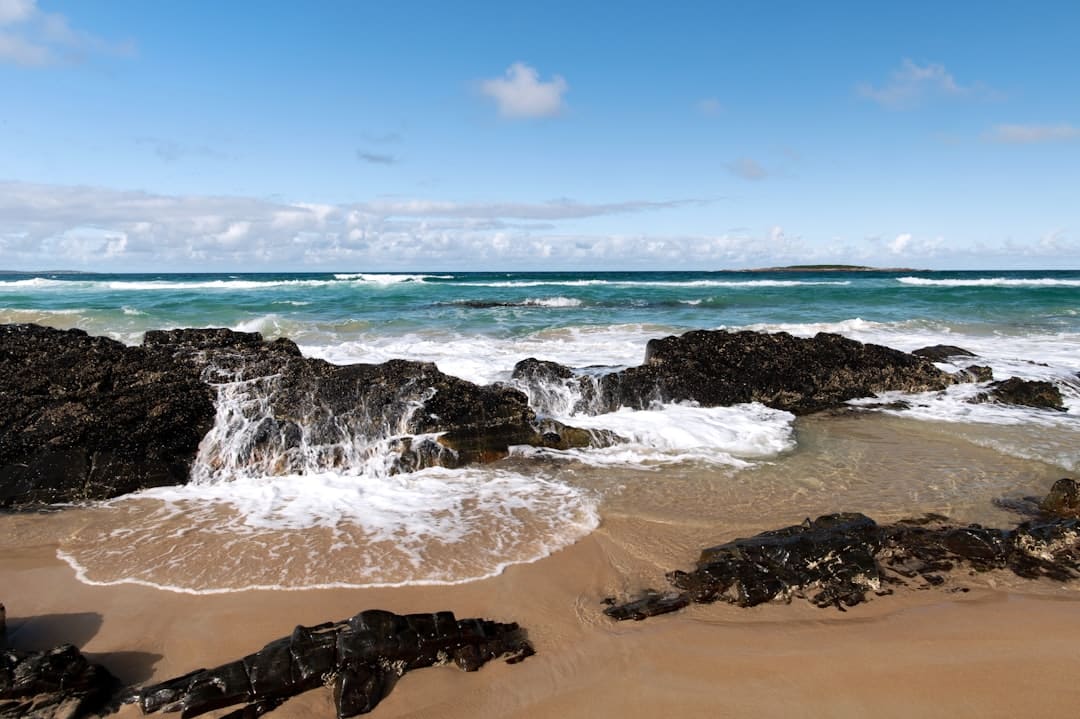
Long recognized as a surfer’s paradise, Bali is an idyllic island in Indonesia. Surfers from all over the world travel to Bali in search of the ideal wave because of the island’s breathtaking beaches, reliable waves, and active surfing community. The history of surfing in Bali will be covered in this article, along with an examination of the island’s distinct topography and weather patterns. Bali has a reputation for being a surfer’s paradise because of its varied coastline and ideal weather. The island is endowed with a wide range of surf breaks that suit surfers of all abilities, from strong reef breaks to gentle beach breaks.
Bali’s warm water temperatures & steady swell make it the perfect place to surf all year round. When the island’s unspoiled waves were first discovered by surfers in the 1930s, Bali’s surfing history began. The pristine beaches and uncrowded breaks of Bali drew these early settlers, who established a close-knit community of surfers who were all passionate about riding waves. Balinese surfers have been drawn to Bali over the years due to the island’s rapid growth in the surfing community.
There are many top-notch surfing locations in Bali, each providing a distinctive surfing experience. Bali has something to offer everyone, regardless of skill level—expert surfers seeking a demanding break, or novices keen to pick up the basics. Bali’s top surf locations include the following:
- The three breaks on the Bukit Peninsula—Uluwatu, Padang Padang, and Bingin—are well-liked by seasoned surfers due to their strong, hollow waves. Especially Uluwatu is well-known for its lengthy, powerful left-handers, drawing surfers from all over the world.
- Kuta and Legian are well-known beaches that are ideal for novice surfers and those seeking a more laid-back vibe. This location offers beginner surfers a perfect learning environment because of its gentle and forgiving waves. There are plenty of surf shops and board rentals in this vicinity.
- Canggu: Located on Bali’s west coast, Canggu provides a variety of waves that are appropriate for surfers of all skill levels. While the reef breaks here offer more difficult conditions, the beach breaks here offer entertaining and reliable waves. Canggu is renowned for its chic beachside cafes and lively surf culture. One of the best ways to get started surfing or advance your skills is to take surfing lessons in Bali. There are many surf schools in Bali, along with knowledgeable instructors who can teach you the basics of surfing.
| Surfing in Bali: A Thrilling Adventure in Paradise | |
|---|---|
| Number of surf spots in Bali | 60+ |
| Best time to surf in Bali | April to October |
| Average water temperature in Bali | 27°C (81°F) |
| Biggest wave ever surfed in Bali | 15 meters (49 feet) |
| Number of surf schools in Bali | 100+ |
| Cost of a surf lesson in Bali | Approximately 30 USD |
| Number of surf competitions held in Bali annually | 10+ |
| Most famous surf spot in Bali | Uluwatu |
The following are some advantages of learning from the experts:
- Safety: Since surfing may be a physically taxing activity, it’s important to learn the right methods and precautions. You can reduce the chance of injury and learn safe wave navigating techniques from qualified instructors.
- Progression: Surfing can be difficult, particularly for inexperienced surfers. It can help to quicken your learning curve & make sure you’re moving in the right direction to have an experienced instructor by your side. They can provide you insightful criticism and pointers to help you get better at what you do.
- Local Knowledge: Bali’s surf instructors are knowledgeable about the surf breaks and conditions on the island. In addition to helping you grasp the subtleties of each break, they can point you in the direction of the best spots for your skill level.
You can get a much better surfing experience with their local knowledge. The Rip Curl School of Surf, Pro Surf School Bali, and Odyssey Surf School are a few recommended surf schools in Bali. These schools accommodate surfers of all skill levels with a variety of lessons, ranging from private coaching sessions to beginner group classes. A good surfing session depends on selecting the appropriate surfboard. Having the right board can massively improve your performance in the water, regardless of your level of surfing experience.
You can find a variety of surfboards to fit your needs at the many surfboard rental shops located throughout Bali. Your skill level, the kind of waves you plan to surf, and your body type are all important considerations when renting a surfboard. Longboards, which offer stability and buoyancy and facilitate easier wave riding, are usually the first choice for beginners. Depending on their chosen surfing style, intermediate and advanced surfers might choose shorter boards, like fish or performance shortboards. In Bali, some well-known surfboard rental stores are BGS Bali, Single Fin Surf Shop, and Drifter Surf Shop & Cafe.
A variety of boards & accessories, like leashes and wax, are available for rent at these stores. Surfboard rentals should be well-maintained in order to prevent further fees or penalties. After every surfing session, always rinse your board with fresh water to get rid of the sand and salt. The board may delaminate & sustain damage if it is left in the sun for an extended length of time.
In order to prevent incurring any extra costs, make sure you return the board on schedule and in the same condition that you found it. With some of the biggest surfing events on the calendar, Bali is no stranger to competition surfing. The best surfers from around the globe come to these contests to showcase their abilities and push the limits of the sport. Watching a surfing competition in Bali is an experience not to be missed if you’re an enthusiast. The Rip Curl Cup at Padang Padang is Bali’s most esteemed surfing competition.
This invitational event, which takes place every year, brings together some of the top tube riders in the world to take on the difficult barrels of Padang Padang. The competition is renowned for its intense energy & top-notch surfing. The Quiksilver Uluwatu Challenge, which is held at Uluwatu, is another noteworthy occasion. The top surfers in Indonesia compete in this event, taking place in the strong waves of Uluwatu.
A festival-like atmosphere is created by the large number of spectators drawn to the event. The peak surf season in Bali, which spans from April to October, is the ideal time to witness a surfing competition. It’s the perfect time of year for high-performance surfing on the island because of the regular swells and calm weather. Get to the competition site early to guarantee a good spot if you want to watch & cheer on the surfers. To ensure you stay hydrated throughout the day, pack plenty of water, sunscreen, & a hat.
Enjoying the thrill of the competition and supporting the surfers is a great way to get a taste of Bali’s lively surf culture. In the water, safety comes first, even though surfing in Bali can be an incredible experience. Since the ocean can be unpredictable, it’s important to be aware of potential hazards & take the appropriate safety measures to help ensure a safe surfing session. When surfing in Bali, remember these safety precautions:
- Recognize your boundaries: Be truthful with yourself about your level of expertise and limit your surfing to breaks that are appropriate for you. Attempting to surf waves that are too difficult for you can result in mishaps & damage.
- Verify the weather: Before leaving, look at the beach’s conditions and the surf forecast. Observe elements like tide, currents, and wave size. It’s best to wait for more favorable conditions if the current ones are too hazardous or difficult.
- Stretching and warming up your muscles before getting in the water can help avoid injuries because surfing can be a physically demanding sport. To get your body ready for the surf session, do some light stretching & exercise.
- Ensure that your surfboard, leash, and other gear are in good working order & appropriate for the weather by using the right equipment. You may be in danger if your board is too small for the waves or if your leash breaks.
- Respect the locals: During the busiest surfing season, Bali’s surf breaks can get crowded. Adhere to the unwritten guidelines of surfing etiquette to show respect for the locals and other surfers in the water. Attend to your surroundings, wait your turn, & avoid interrupting others.
- Keep yourself hydrated: Surfing in the intense Bali heat can cause dehydration. Pre-, during, and post-surfing, make sure to stay hydrated with lots of water. Think about donning a wetsuit or rash guard to shield your skin from the sun’s rays.
- Be mindful of the marine life: Sea urchins and jellyfish are among the many marine animals that call Bali’s waters home. When getting in & out of the water, exercise caution. If you come across any marine life, stay away from them and give them space.
It’s critical to be prepared for emergency situations. Remain composed and don’t panic if you find yourself in a rip current. Once you’re out of the current, swim parallel to the shore & return to the beach. Notify a lifeguard or make an emergency call right away if you witness someone in need.
A mutually beneficial and secure surfing experience is guaranteed for all participants through the unwritten code of conduct known as surfing etiquette. Bali’s surf breaks can get crowded, particularly in the height of surf season, so it’s important to observe surfing etiquette and be considerate of other people. The following are some essential ideas to remember:
- When it’s your turn to catch a wave, show respect for the other riders in the lineup. It is rude to ride someone else’s wave and can result in crashes & mishaps.
- Avoid paddling directly through the middle of the lineup when you’re out to sea. Instead, paddle wide. To avoid obstructing other surfers, instead paddle wide and around the breaking waves.
- Talk: To prevent collisions and confusion in the water, communicate intelligibly and succinctly. Inform other surfers of your plans by pointing out to them, for example, which way you’re going to ride a wave—left or right.
- Give way to the surfer inside you: It’s your duty to move aside and not impede another surfer who is already riding a wave when you’re paddling for it. People’s safety should always come first.
- Bali has a vibrant surf culture, & the people there are very attached to their surf spots. Please show them respect. Be mindful of the locals’ expertise on the waves. Observe them, take notes, and refrain from acting in an impolite manner.
- Maintain a clean lineup by properly disposing of your trash and avoiding leaving litter in the water. In order to ensure that everyone can enjoy the lineup, please be mindful of the surroundings. There may be arguments and even physical altercations if surfing etiquette is broken. To make sure that everyone has a good time surfing, it’s critical to treat other people with consideration and respect when they’re in the water.
Sustainable practices and surfing go hand in hand, & while enjoying Bali’s stunning scenery, remember to protect it. Bali’s environment may suffer greatly from surfing, from pollution brought on by the production of surfboards to coral reef deterioration. Here are some tips for surfing Bali sustainably:
- Select environmentally friendly surfing gear: Look for surfboards constructed from recycled foam or bamboo, for example. To reduce the impact on the ocean, think about using sunscreen and wax that is environmentally friendly.
- Cut down on plastic waste: Surfers can help reduce plastic waste, which is a problem Bali has been facing due to plastic pollution. Reusable water bottles are preferable to single-use plastics. Take part in cleanup efforts at the beach and inspire others to follow suit.
- Honor the marine environment: A variety of marine life, including sea turtles and coral reefs, can be found in Bali’s waters. Give marine life plenty of space and refrain from touching or harming coral reefs. Take care not to step or kick coral by keeping an eye on your fins.
- Encourage environmentally friendly projects: Bali is home to a large number of groups and projects that aim to promote environmentally friendly surfing methods. Participate in their events, make a donation, or donate your time to support these initiatives. Project Clean Uluwatu, Bye Bye Plastic Bags, and the Bali Sustainable Surf Network (BSSN) are a few groups that support sustainable surfing in Bali.
These organizations dedicate their lives to educating the surfing community about environmental issues and putting sustainable solutions into practice. Bali surfing offers you the chance to fully immerse yourself in the rich cultural legacy of the island in addition to enjoying the waves.
Bali offers a distinctive surfing experience because of the close ties between its surf culture & traditional ceremonies. Surfing provides an excellent opportunity to immerse oneself in Bali’s culture. See a customary ceremony: Bali is well-known for its colorful religious rites & ceremonies. If you’re lucky, you might be able to see a traditional ceremony happening on the shore. Keep your distance and show respect for the traditions.
Discover the arts and crafts of Bali: Bali is well known for its traditional crafts. Explore traditional Balinese art forms like painting, wood carving, and batik by visiting nearby art galleries & museums. Three. Taste the local cuisine: Balinese food has a delicious fusion of spices and flavors. Savor some of the local specialties, like nasi goreng (fried rice), babi guling (suckling pig), & sate lilit (minced meat satay), after a surf session.
Visit temples and holy places: Bali is home to many exquisite temples and holy places. Explore these sites and discover the significance they have in Balinese Hinduism by spending some time with them. Although surfing is undoubtedly Bali’s main draw, the island has a wealth of other outdoor experiences and activities to offer.
To help you get the most out of your surfing vacation in Bali, consider these suggestions:
- Discover Bali’s waterfalls: Bali has many beautiful waterfalls that provide a cool respite from the heat. To appreciate the splendor of Bali’s natural surroundings, visit waterfalls like Tegenungan, Gitgit, & Sekumpul.
- Take a hike: Bali’s verdant jungles and striking volcanic scenery make for fantastic hiking destinations.
- Walk the rice terraces of Tegalalang or trek to Mount Batur for a dawn hike.
- Experience Balinese spa and wellness: After a long day of surfing, treat yourself to a Balinese massage or indulge in a wellness retreat at one of Bali’s luxurious spas. Acupressure, aromatherapy, & mild stretches are all combined in Balinese massage, a traditional healing therapy, to help the body and mind unwind and regenerate. To relieve stress and enhance general wellbeing, the qualified therapists employ a range of methods.
Bali is renowned for its wellness retreats as well, where guests can fully immerse themselves in yoga, meditation, and nutritious food. These retreats provide a calm and serene setting that lets you relax and revitalize yourself. Bali spa & wellness experiences are a must-do activity, whether you opt for a massage or a wellness retreat.
If you’re planning a surfing trip to Bali or even move to Bali, you won’t want to miss out on the incredible waves and breathtaking beaches. In fact, there’s an article on Jawajiwa.com that provides a comprehensive guide to surfing in Bali. From the best surf spots to tips for beginners, this article has it all. Check it out here and get ready for an unforgettable surfing experience in Bali.
FAQs
What is surfing in Bali?
Surfing in Bali refers to the activity of riding waves on a surfboard in the waters surrounding the island of Bali, Indonesia.
When is the best time to go surfing in Bali?
The best time to go surfing in Bali is during the dry season, which runs from April to October. During this time, the waves are generally bigger and more consistent.
What are the best surf spots in Bali?
Some of the best surf spots in Bali include Uluwatu, Padang Padang, Bingin, and Canggu.
Do I need to bring my own surfboard?
No, you do not need to bring your own surfboard. There are plenty of surf shops and rental places in Bali where you can rent a board for a reasonable price.
Do I need to be an experienced surfer to surf in Bali?
No, you do not need to be an experienced surfer to surf in Bali. There are plenty of beginner-friendly surf spots and surf schools that offer lessons for all skill levels.
What should I wear when surfing in Bali?
When surfing in Bali, it is recommended to wear a rash guard or wetsuit to protect your skin from the sun and the rough surface of the board. You should also wear board shorts or a swimsuit.
Is surfing in Bali safe?
Surfing in Bali can be safe if you follow basic safety guidelines and surf within your skill level. However, there are some hazards to be aware of, such as strong currents, sharp reefs, and crowds in popular surf spots. It is recommended to surf with a buddy and to check the conditions before entering the water.
