
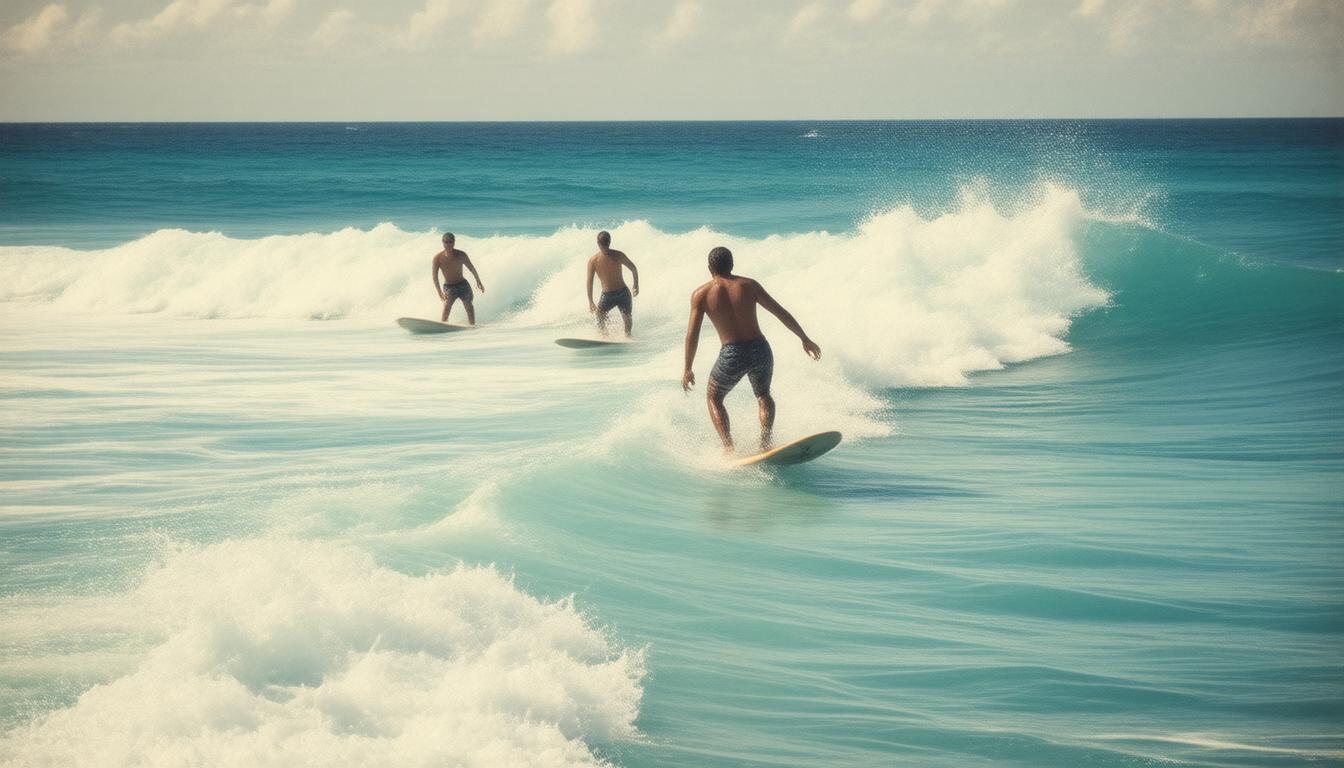
Surfing is not just a pastime; it’s a way of life for many. From the moment you step onto the sand and feel the ocean breeze, the thrill of catching waves becomes an exhilarating pursuit. However, to truly enjoy and excel at this sport, it is essential to understand and master various surfing techniques. Whether you’re a seasoned surfer looking to refine your skill set or a beginner eager to catch your first wave, our guide will provide you with essential surfing techniques that cater to every level. Let’s dive into the world of surfing and unlock the secrets of riding the waves!
Key Takeaways
- Mastering the fundamentals is crucial for developing effective surfing techniques.
- Efficient paddling can significantly improve your ability to catch waves.
- Perfecting the pop-up is essential for transitioning from paddling to standing on the board.
- Understanding how to turn and carve will enhance your maneuverability on the waves.
- Safety and etiquette are vital for a positive surfing experience and to avoid accidents.
Understanding the Fundamentals of Surfing
Surfing is an exhilarating water sport that combines physical endurance with a deep connection to the ocean. To truly grasp the art of riding the waves, it’s essential to focus on the fundamentals of surfing, which include mastering various surfing techniques. Beginners should start with the basics, such as paddling, pop-ups, and balancing on the board. Practicing proper paddling techniques not only helps in catching waves but also prevents fatigue. Once you’re comfortable paddling, the pop-up technique is crucial; this is where you transition from lying on the board to standing up as the wave propels you forward. Additionally, understanding how to position your body and maintain balance is vital for stability while riding. Learning to read the waves and identify surf conditions further enhances your ability to apply these surfing techniques effectively. By dedicating time to practice and refine these skills, you can elevate your surfing experience and gain a deeper appreciation for this dynamic sport.
Paddling Techniques for Efficiency and Power
When it comes to mastering surfing techniques, understanding essential paddling techniques is crucial for maximizing efficiency and power on the water. Proper paddling can significantly enhance your surfing experience, allowing you to catch waves more effectively and conserve energy during your sessions. Start by positioning yourself in the center of your board, keeping your body flat and your head up to observe incoming waves. Use long, deep strokes with your arms, alternating sides to maintain balance and momentum. Engaging your core while paddling not only increases your power but also helps stabilize your movement. Additionally, consider the angle of your paddling; aiming for a slight downward angle will help you propel yourself forward while reducing drag. Practicing these paddling techniques will not only improve your wave-catching ability but will also elevate your overall surfing performance.
‘The ocean stirs the heart, inspires the imagination and brings eternal joy to the soul.’ – Wyland
How to Pop Up: Getting Up on Your Board
One of the essential surfing techniques that every aspiring surfer must master is the art of popping up on your board. This maneuver is crucial for transitioning from paddling to riding a wave. To effectively pop up, start by lying face down on your board with your feet positioned toward the tail. As the wave approaches, paddle vigorously to gain momentum. Once you feel the lift from the wave, it’s time to execute the pop-up. For an effective rise, place your hands firmly on the board under your shoulders and spring upwards, pulling your knees beneath you. Aim to land your feet shoulder-width apart for stability, and keep your knees slightly bent to absorb the impact of the wave. With consistent practice of this technique, you’ll not only improve your balance but also enhance your ability to catch waves with confidence and style.

Turning and Carving: Essential Maneuvers Explained
In the world of surfing, mastering various surfing techniques is crucial for both beginners and experienced surfers alike. Two of the most fundamental maneuvers every surfer should learn are turning and carving. Turning involves shifting your weight and altering your board’s angle to change direction quickly, which is essential for navigating waves and avoiding obstacles in the lineup. Carving, on the other hand, is a more advanced technique that emphasizes smooth, flowing turns along the face of the wave, allowing surfers to maintain speed and control while riding. To execute a proper turn, surfers should focus on their body positioning, thrusting their hips and shoulders in the direction they want to go, while a successful carve requires riders to engage their rail, digging into the wave and utilizing the board’s fins for stability and grip. Understanding and practicing these surfing techniques not only enhances your performance on the water but also adds to the overall enjoyment of the sport.
Managing Different Wave Types: Tips for Success
When it comes to mastering surfing techniques, understanding how to manage different wave types is crucial for success in the water. Surfers often encounter a variety of wave conditions, from gentle beach breaks to powerful reef waves. To optimize your performance, start by assessing the wave type: is it a right or left-hand break? Is the wave steep or mellow? For soft, rolling waves, focus on maintaining your balance and practicing smooth paddling to catch the wave early. Conversely, for steeper, faster waves, a solid bottom turn and quick feet are essential for staying in control and maneuvering effectively. Additionally, always be mindful of the wind conditions, as they can significantly affect how the waves break. Remember, each wave type demands specific surfing techniques, so spend time observing and practicing in different conditions to enhance your skill set. By incorporating these tips into your surfing routine, you’ll not only improve your performance but also gain confidence in the water.
