
Wetsuits are essential gear for anyone looking to explore the thrilling world of water sports, whether it’s surfing, diving, or kayaking. Choosing the right wetsuit can significantly enhance your experience, keeping you comfortable and protected from the elements. But with so many options available, how do you select the best wetsuit for your needs? In this ultimate guide, we will walk you through the basics of wetsuits, the different types available, how to find the perfect fit, the best materials for maximum comfort, essential care tips, and our top brand recommendations. Dive in with us as we unravel everything you need to know about wetsuits!
Key Takeaways
- Wetsuits come in various types designed for specific water activities.
- Measuring yourself accurately is key to finding the perfect wetsuit fit.
- The material of your wetsuit affects insulation and flexibility.
- Proper care and maintenance can significantly extend the lifespan of your wetsuit.
- Researching top brands can help you select a quality wetsuit that meets your needs.
Understanding Wetsuit Basics
Wetsuits are essential gear for water sports enthusiasts, ranging from surfers to divers, as they provide insulation and protection in cold water conditions. These specially designed garments are made from materials like neoprene, which retains heat and keeps the body warm during prolonged exposure to chilly waters. Understanding wetsuit basics, such as the different thicknesses, styles, and fits, can greatly enhance your aquatic experience. A thicker wetsuit is ideal for colder climates, while a thinner option is suitable for warmer waters. Additionally, the fit of a wetsuit is crucial; it should be snug but not overly tight to prevent discomfort and restrict movement. By grasping these fundamental aspects of wetsuits, you can make informed choices that enhance your performance and comfort during your water activities.
Different Types of Wetsuits and Their Uses
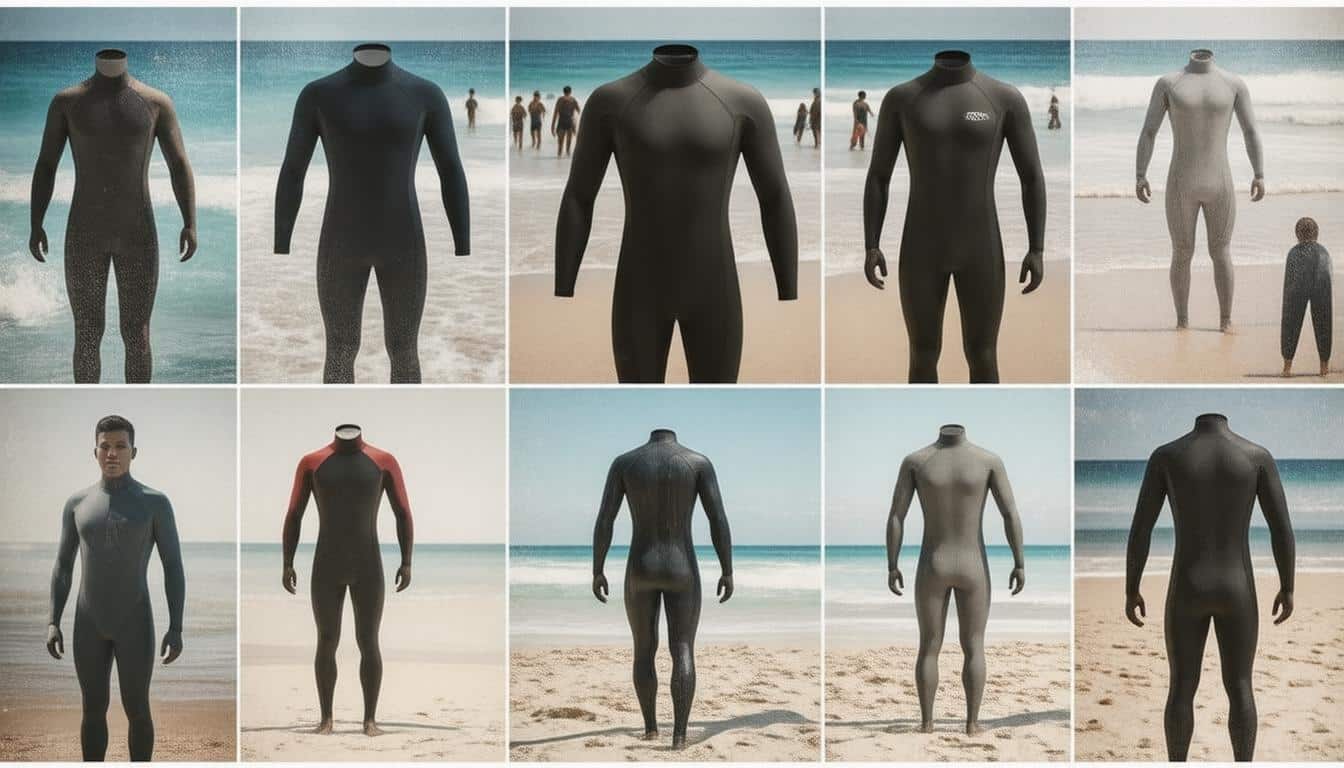
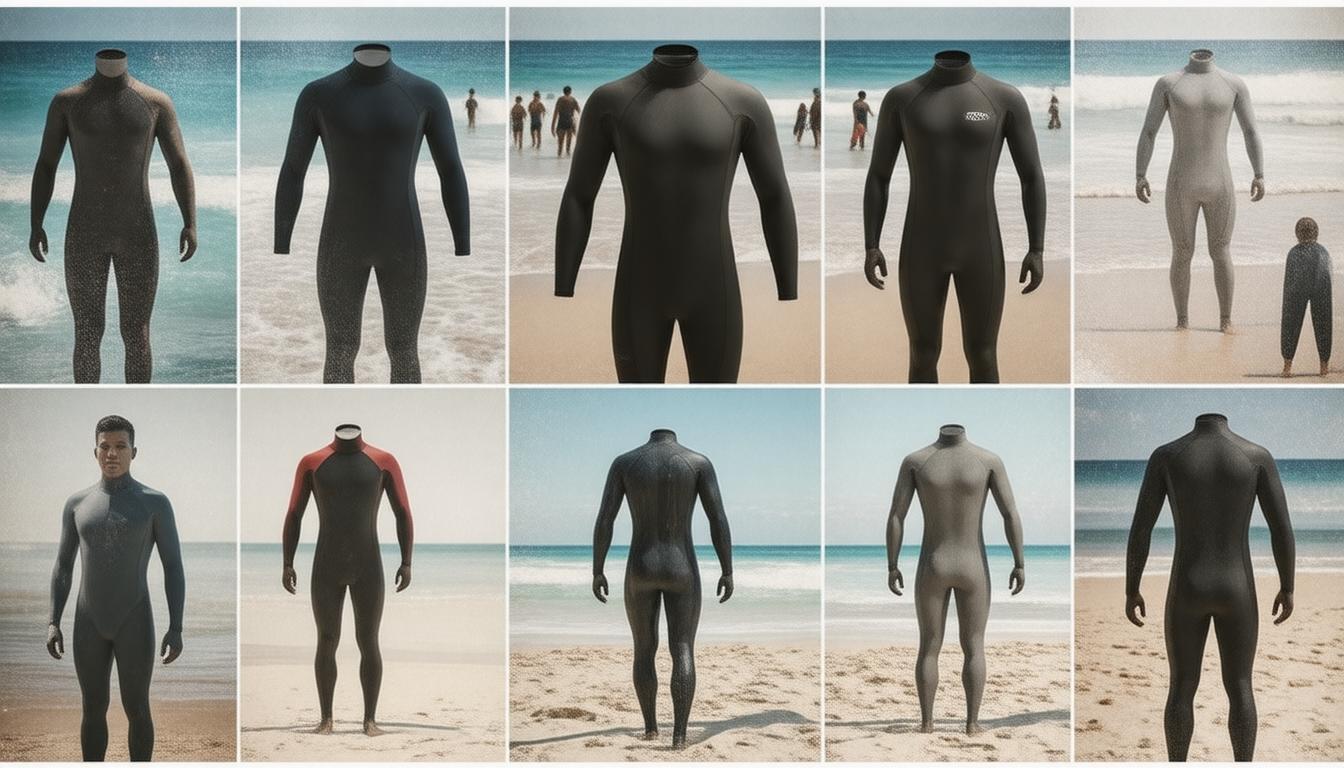
Wetsuits are essential pieces of equipment for a variety of water sports, offering protection and thermal insulation in cold conditions. There are several different types of wetsuits, each designed for specific activities and environments. For surfing and diving, a full wetsuit, which covers the entire body, is commonly used; it typically ranges in thickness from 2mm to 5mm to suit varying water temperatures. Shorty wetsuits, which have short sleeves and legs, are perfect for warmer climates, providing flexibility and comfort while still offering some thermal protection. For those pursuing extreme sports like kiteboarding or wakeboarding, a sleeveless wetsuit allows for maximal freedom of movement while keeping the core warm. Additionally, drysuits are preferred for colder waters, as they provide a watertight seal and insulate with layers worn underneath. Understanding these different types of wetsuits and their uses is crucial for choosing the right one to ensure safety and enhance enjoyment during water activities.
‘The sea, once it casts its spell, holds one in its net of wonder forever.’ – Jacques Cousteau
How to Measure Yourself for the Perfect Fit
When it comes to finding the perfect wetsuit, taking accurate measurements is key to ensuring both comfort and performance in the water. To start, you’ll need a flexible measuring tape, and ideally, have someone assist you. Begin by measuring your chest at its widest point, typically across the nipples, and make sure to keep the tape snug but not constricting. Next, measure your waist at its natural point, where your body bends, followed by your hips at the widest part. Don’t forget to measure your inseam by placing the measuring tape at the top of your inner thigh down to your ankle—this is especially important for ensuring the legs of the wetsuit are the correct length. Lastly, measure your neck circumference to make sure your wetsuit fits closely without choking you. By accurately measuring these areas, you can confidently select a wetsuit that offers the perfect fit, allowing for freedom of movement and warmth during your aquatic adventures.
Material Matters: Choosing the Right Wetsuit Fabric
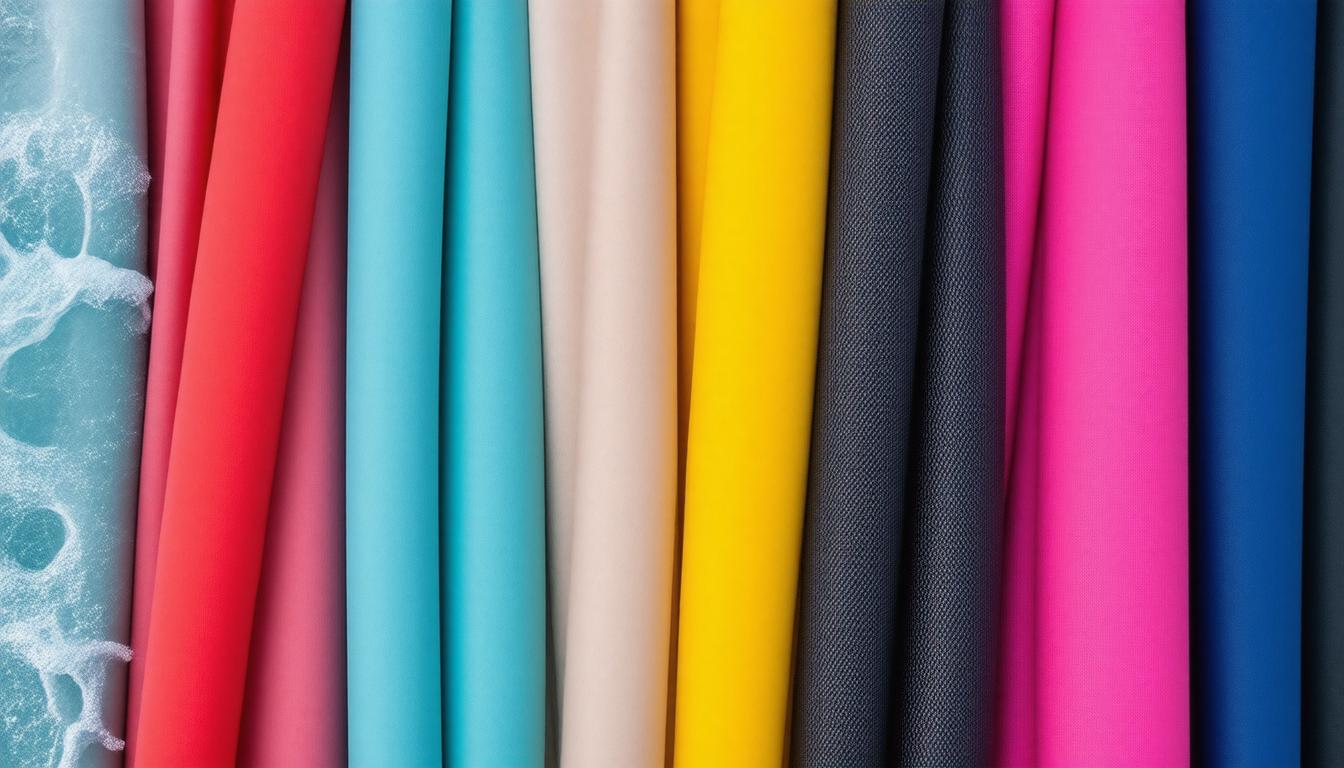
When it comes to selecting the perfect wetsuits for your aquatic adventures, the fabric is a critical factor that can greatly influence your comfort, performance, and protection in the water. Wetsuits are typically made from neoprene, a synthetic rubber that offers excellent insulation and flexibility. However, there are various thicknesses and types of neoprene that you can choose from, each designed for specific water temperatures and conditions. For colder waters, look for wetsuits with thicker neoprene (up to 7mm) which will provide additional warmth, while thinner options (around 2mm to 3mm) are more suitable for warmer climates. Besides thickness, consider the wetsuit’s outer fabric; many brands offer options with outer linings that enhance durability, water resistance, and UV protection. Ultimately, selecting the right wetsuit fabric tailored to your activity not only maximizes your comfort but also enhances your overall experience in the water, making it essential to understand the various materials available.
Caring for Your Wetsuit: Tips for Longevity
Caring for your wetsuit is essential for ensuring its longevity and maintaining its performance. Wetsuits are designed to provide insulation and protection in water sport activities, but neglecting their care can lead to premature damage. First and foremost, always rinse your wetsuit with fresh water after each use to remove salt, sand, and chlorine, as these can deteriorate the material over time. Additionally, avoid exposing your wetsuit to direct sunlight for prolonged periods, as UV rays can weaken the neoprene. When storing your wetsuit, hang it in a cool, dry place away from sharp objects that could puncture or tear the fabric. It’s also advisable to use a wide hanger to support the wetsuit’s structure, preventing any unwanted creases or cracks. Finally, regularly check for any signs of wear or damage, and repair them promptly to prevent further deterioration. By following these simple tips, you can significantly extend the life of your wetsuits, allowing you to enjoy countless adventures in the water.
